
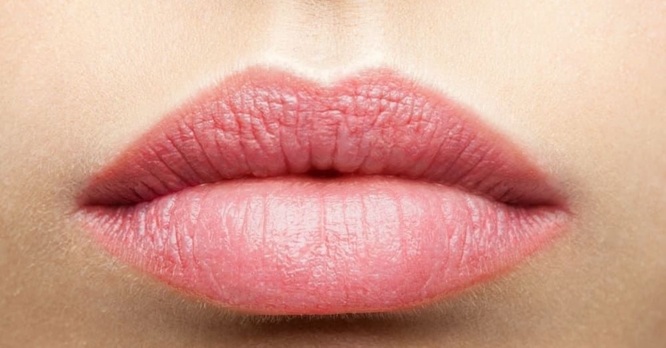
Sheer lipsticks occupy a unique space in cosmetics, offering a delicate balance between natural appearance and intentional color enhancement. Unlike their opaque counterparts, these transparent formulations interact with individual lip pigmentation to create personalized results. Understanding the science behind sheer lipsticks reveals why they appear differently on each wearer and how transparency fundamentally alters our perception of lip color.
The Physics of Transparency in Lipstick FormulationsLight Transmission and Reflection
Sheer lipsticks achieve their characteristic transparency through precise pigment-to-emollient ratios. When light hits a sheer lipstick, it penetrates multiple layers rather than reflecting immediately from the surface. This light travels through the lipstick film, interacts with the natural lip pigmentation beneath, and reflects back to create a composite color. The phenomenon, known as light transmission, explains why sheer formulations never completely mask the wearer’s natural lip tone.
The transparency level depends on pigment particle size and concentration. Sheer formulations typically contain 5-15% pigment load compared to 20-40% in opaque lipsticks. These lower concentrations allow approximately 30-60% of light to pass through the product layer, enabling the natural lip color to influence the final appearance.
Pigment Dispersion and Color Blending
Sheer lipsticks utilize finely milled pigments suspended in oils and waxes. The dispersion method determines how evenly color distributes across lips. In transparent formulations, pigments float within the base rather than forming a dense, opaque layer. This creates a stained-glass effect where color appears luminous rather than flat. The natural lip’s undertones—ranging from pink to brown to purple—blend optically with the applied pigment, producing individualized results that cannot be replicated with full-coverage formulas.
The Psychology of Color PerceptionSubtractive Color Mixing on Skin
Sheer lipsticks demonstrate subtractive color mixing, where the applied pigment filters certain wavelengths of light while allowing others through. A sheer red lipstick on pink lips creates a different visual result than the same product on brown lips because the underlying melanin and hemoglobin concentrations absorb and reflect different light spectrums. This biological variability means sheer formulations produce thousands of subtle color variations across diverse wearers.
The human eye perceives these layered colors as more natural because they mimic how light interacts with unadorned lips. Our visual system recognizes the depth and dimension created by transparency, interpreting it as authentic rather than artificial.
The “My Lips But Better” Effect
Sheer lipsticks capitalize on the brain’s color constancy mechanism—our tendency to perceive objects as having consistent colors despite changing lighting conditions. Because sheer formulations preserve some natural lip visibility, the brain categorizes the result as an enhanced version of the original lip color rather than a completely foreign shade. This psychological effect explains the popularity of sheer finishes for achieving effortless, natural-looking makeup.
Formulation Science and Practical ApplicationsIngredient Chemistry for Transparency
Creating transparent color requires specific ingredient combinations. High-refractive-index oils like castor oil or synthetic esters provide shine while maintaining clarity. Waxes are carefully selected for their melting points and transparency—candelilla and synthetic waxes offer better clarity than opaque beeswax. Emollients must be colorless to avoid muddying the intentional pigmentation.
Modern sheer formulations often incorporate light-reflecting particles like mica or synthetic fluorphlogopite. These additives don’t add opacity but enhance luminosity by scattering light in multiple directions, creating the illusion of fuller, more hydrated lips.
Practical Considerations for Users
Understanding transparency science helps consumers select appropriate sheer shades. Those with deeper lip pigmentation should choose sheer lipsticks with higher pigment concentrations or warmer undertones to ensure visibility. Lighter lip tones can achieve dramatic effects with minimal pigment. Application technique also matters—multiple thin layers increase opacity while maintaining the characteristic luminous quality that distinguishes sheer formulations from traditional lipsticks.
The science behind sheer lipsticks demonstrates how transparency transforms a simple cosmetic into a personalized color experience, merging chemistry, physics, and human perception into one elegant formula.