
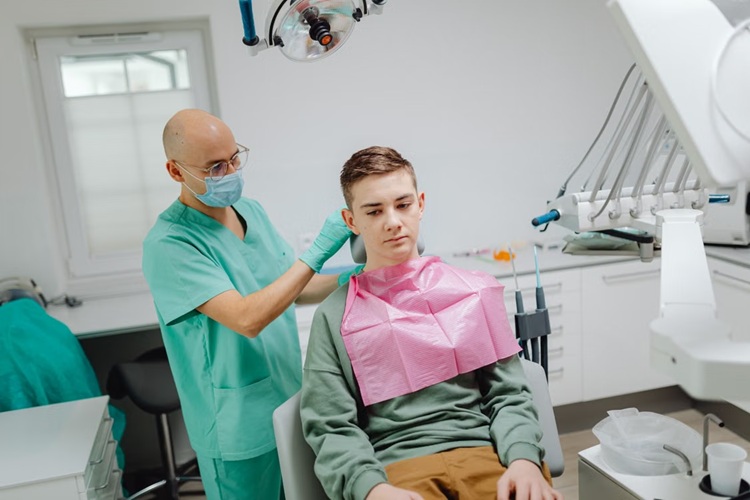
Orthodontic treatment is often associated with teenagers getting braces, but people of all ages can benefit from seeing an orthodontist. Whether you are worried about the appearance of your smile, struggling with bite issues, or experiencing discomfort when chewing, orthodontic care can help improve both confidence and oral health.
Many dental concerns develop gradually, which means they can be easy to ignore at first. However, knowing the signs that you may need orthodontic advice can help you take action before problems become more difficult to manage.
Your Teeth Are Crowded or Overlapping
One of the most common reasons why people visit an orthodontist is crowded teeth. This happens when there is not enough space in the mouth for the teeth to sit comfortably in the correct position.
Crowding can make your smile look uneven, but it can also affect your ability to clean your teeth properly. When teeth overlap, it can be harder to reach certain areas with a toothbrush or floss, increasing the risk of plaque buildup, cavities, and gum problems.
You Have Gaps Between Your Teeth
Some people have noticeable spaces between their teeth. While gaps can be a cosmetic concern, they may also point to issues with tooth size, jaw development, or missing teeth.
An orthodontist can assess whether spacing is likely to cause problems and suggest suitable treatment options. In some cases, closing gaps can improve the balance of the smile and make it easier to maintain good oral hygiene.
Your Bite Does Not Feel Right
Your bite refers to the way your upper and lower teeth meet when your mouth is closed. If your bite feels uneven, uncomfortable, or unstable, it may be worth seeking professional advice.
Common bite issues include overbites, underbites, crossbites, and open bites. These problems can affect chewing, speech, tooth wear, and jaw comfort. If you are already visiting a private dentist Hammersmith, they may recommend an orthodontic assessment if they spot signs that your bite needs attention.
You Experience Jaw Pain or Clicking
Jaw discomfort, clicking, or stiffness can sometimes be linked to the position of your teeth and bite. While not every jaw issue requires orthodontic treatment, it is still important to have persistent symptoms checked.
An orthodontist can look at how your teeth and jaws work together and determine whether misalignment could be contributing to the problem. Early advice may help reduce strain and prevent symptoms from worsening.
You Find It Difficult to Chew or Speak Clearly
Orthodontic issues can sometimes affect everyday functions, such as biting, chewing, and speaking. If you often bite your cheeks, struggle to chew certain foods, or notice speech difficulties related to tooth position, orthodontic care may help.
Treatment is not just about creating a straighter smile. It can also support better function, comfort, and long-term oral health.
You Feel Self-Conscious About Your Smile
Feeling unhappy with your smile is a valid reason to seek advice. Crooked, uneven, or protruding teeth can affect confidence in social situations, photos, and professional settings.
Modern orthodontic options are often more discreet and flexible than many people expect. From clear aligners to fixed braces, there may be a treatment option that suits your lifestyle and goals.
Summing Up
Seeing an orthodontist does not always mean you need treatment straight away. Sometimes, an assessment simply gives you a clearer understanding of your teeth, bite, and available options.
If you have noticed crowding, gaps, jaw discomfort, bite problems, or changes in the way your teeth fit together, it may be time to arrange an orthodontic consultation. A healthier, more comfortable smile can make a real difference to your daily life.