
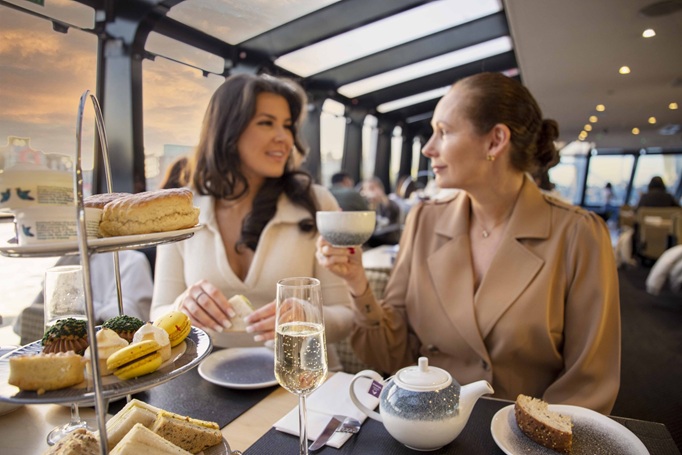
Dining out in the UK is no longer just about finding somewhere convenient to eat. Increasingly, people are travelling specifically for food experiences, planning weekends around restaurant bookings, and exploring cities through their dining scenes. Destination dining has become one of the most exciting cultural shifts within hospitality, transforming restaurants into attractions in their own right.
From Bristol and Birmingham to Edinburgh and London, restaurants are helping shape how people experience cities. Diners are no longer simply choosing nearby venues. They are actively seeking memorable experiences, distinctive atmospheres, and places worth talking about long after the meal ends.
This growing movement is creating opportunities for restaurants, local economies, and travelers alike, while reshaping the identity of UK cities through food culture. OpenTable data has shown major growth in experience-led dining and larger social bookings, reflecting the increasing demand for dining occasions that feel memorable and immersive.
Food Has Become a Reason to Travel
For many people, restaurants now sit at the center of travel planning. Weekend breaks, city escapes, and short stays are increasingly influenced by dining recommendations, social media discoveries, and must-visit restaurant lists.
This shift reflects a wider cultural change where experiences are valued more highly than material purchases. Rather than spending money on possessions, consumers are prioritizing moments that feel unique, social, and emotionally rewarding.
Across the UK, cities with strong independent food scenes are benefiting from this behavior. Birmingham, for example, has gained national recognition for its evolving culinary reputation and growing Michelin-star presence.
Social Media Is Fueling Destination Dining
Platforms such as Instagram, TikTok, and YouTube have accelerated the rise of destination dining dramatically. A single viral video or highly photographed dish can quickly turn a local restaurant into a nationally recognized hotspot.
People now discover restaurants visually long before they visit them. Interiors, plating styles, cocktails, open kitchens, and signature dishes all contribute to a restaurant’s online identity.
This visibility encourages people to travel further for experiences that feel special or culturally relevant. Diners increasingly want to say they have visited a place everyone is talking about online.
Restaurants that successfully combine atmosphere, authenticity, and strong visual presentation are often the ones attracting destination diners from outside their local areas.
UK Cities Are Developing Distinct Dining Personalities
One of the most exciting aspects of destination dining is how cities are building unique culinary identities.
London continues to lead with high-end innovation and immersive concepts, while Edinburgh has gained recognition for its evolving independent restaurant scene.
Birmingham has emerged as one of the UK’s most exciting food destinations thanks to its growing collection of ambitious independent restaurants and chef-led experiences.
Meanwhile, Bristol continues attracting visitors looking for vibrant, social dining environments that combine creativity, culture, and diverse cuisines. Restaurants that create memorable evenings rather than simply serving meals are helping the city strengthen its reputation as a modern dining destination. That is one reason many visitors searching for the best Indian restaurant Bristol experience are increasingly building evenings out and weekend plans around standout venues in the city.
These regional dining personalities help cities stand out in an increasingly experience-driven travel market.
People Want More Than Just Good Food
Quality food still matters enormously, but modern diners increasingly expect more from the full experience. Ambience, storytelling, service, music, design, and emotional connection now all influence how people judge restaurants.
Industry trend reports suggest diners are increasingly seeking emotional connection and personalized experiences rather than purely transactional dining.
This explains why experiential dining continues growing across the UK. Tasting menus, chef’s tables, themed environments, rooftop venues, and immersive concepts are attracting consumers looking for occasions that feel meaningful and memorable.
Restaurants are becoming stages for celebration, connection, and escapism, not just places to eat quickly before moving on.
Dining Is Becoming Part of Lifestyle Identity
Where people choose to eat increasingly reflects how they see themselves. Dining choices now connect closely with lifestyle, personality, values, and social identity.
Some consumers seek sustainability-focused restaurants. Others prioritize authenticity, locally sourced ingredients, or globally inspired menus. Many people actively search for independent restaurants that feel personal and culturally distinctive rather than corporate or generic.
This behavioral shift has encouraged restaurants to develop stronger brand identities and more emotionally engaging customer experiences.
Consumers want stories they can share, places they can recommend, and experiences that feel memorable enough to revisit.